
Most brutal WWE wrestling matches in history and why fans still search for the footage
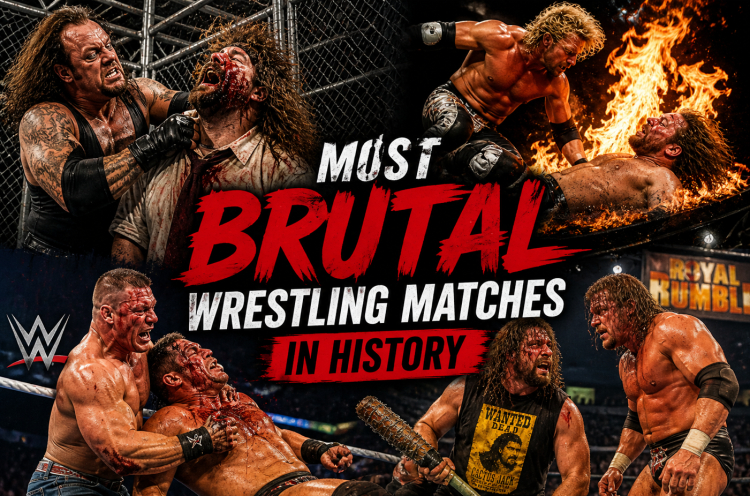
The most brutal WWE wrestling matches in history are remembered because they pushed match stipulations, performer risk and crowd emotion far beyond standard television wrestling. The key examples include The Undertaker vs Mankind at King of the Ring 1998, Edge vs Mick Foley at WrestleMania 22, John Cena vs JBL at Judgment Day 2005 and Triple H vs Cactus Jack at Royal Rumble 2000.
The biggest wrestling promotions and how their styles differ
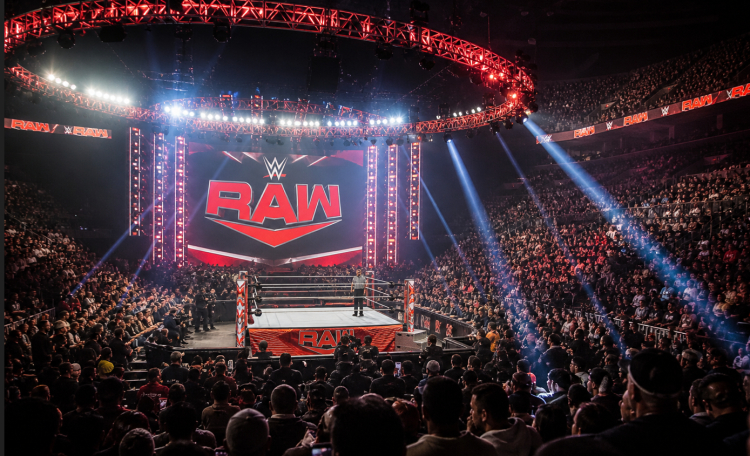
WWE, AEW, NJPW and other major wrestling promotions differ not only in roster and production, but in pacing, storytelling and in-ring style. A new viewer quickly notices that the same sport can feel completely different depending on where the match takes place. Professional wrestling is not one uniform product. It is a global ecosystem. Each promotion builds its identity through match structure, camera work, crowd interaction and narrative depth. That is why understanding promotions is the fastest way to understand wrestling itself.
How to start watching wrestling if you’ve never seen a match before
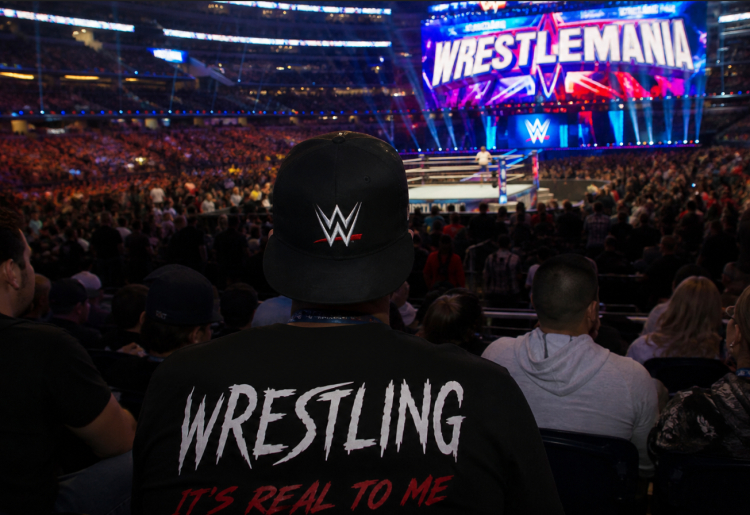
The easiest way to start watching professional wrestling is to treat it like a weekly action drama built around rivalries, titles and live crowd reactions. A new viewer does not need to know every past champion or every old storyline before pressing play. Start with one major show, learn the basic match types, follow a few wrestlers, then use weekly episodes to understand why the next big event matters. WWE, AEW and other major promotions all build their shows around simple ideas. Someone wants a title. Someone wants revenge. Someone wants respect. The ring turns that conflict into a public fight.