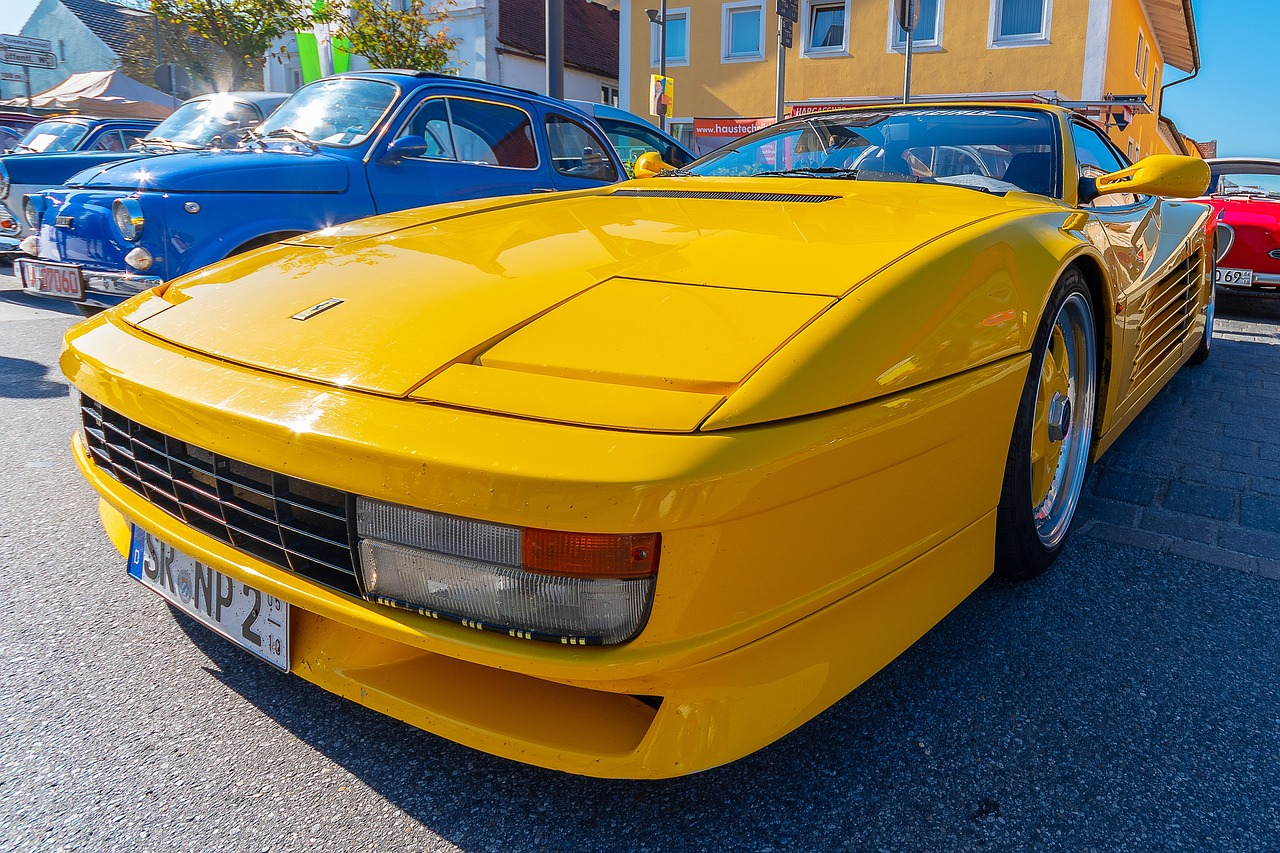
Drivers heading to a major wrestling show should check venue access, monitor traffic, carry a basic roadside kit, and leave enough time for queues around the arena. Official road safety guidance recommends checking the route, watching road conditions, and keeping emergency items such as a phone charger, flashlight, jumper cables, water, and basic tools in the vehicle.
A road journey to a live show also makes more sense when the venue scale is clear, so it helps to see why professional wrestling attracts millions of viewers worldwide before planning arrival time and parking strategy.
TABLE OF CONTENTS:
Route planning for major arenas and city entry roads
Vehicle checks before a long drive to a wrestling show
Parking options near Madison Square Garden, The O2, and other large venues
Arrival time, security, and entry flow on event day
What to pack for a wrestling road trip by car
Return journey after the main event and late night exit traffic
Route planning for major arenas and city entry roads
A road trip to a wrestling event starts with the venue page, not with the sat nav. Major arenas usually publish directions, gate information, and visitor guidance ahead of the event. That matters because the last few kilometres are usually the slowest part of the trip.
City centre arenas sit in dense traffic zones, while suburban complexes can funnel thousands of cars into a limited number of access roads. A roadtrip to a wrestling gala therefore needs an arrival route and a backup route.
Good planning usually follows a simple order.
- Check the official venue address and the exact event entrance
- Confirm whether parking must be booked before arrival
- Save one main route and one alternative route
- Review nearby fuel stations and food stops
- Decide where to stop after the show if the return drive will be long
Fans who want extra context around the arena experience can also read how professional wrestling grew from early shows into global sports spectacles, because modern event scale explains why access roads can tighten up fast.
Vehicle checks before a long drive to a wrestling show
A road trip becomes expensive very quickly when a tyre, battery, or wiper issue appears on the motorway. Basic pre-trip preparation includes checking tyre pressure and condition, brakes, battery health, oil, coolant, and washer fluid before a longer drive.
The smartest roadtrip plan is often decided in the driveway, not on the motorway shoulder.
- Check tyres for pressure and visible wear
- Top up washer fluid and inspect wipers
- Confirm battery condition if the car has shown weak starts
- Review oil and coolant levels
- Test lights before leaving in late afternoon or evening
If the event falls in poor weather, the car prep needs one more layer. Winter conditions, heavy rain, or poor visibility can turn a simple drive into a much more demanding journey.
| Pre-trip check | Why it matters | Useful timing |
|---|---|---|
| Tyres and pressure | Better grip, fuel efficiency, and safety | The day before departure |
| Battery check | Reduces risk of breakdown after the show | Several days before a long trip |
| Oil and coolant | Helps prevent overheating and engine stress | Before leaving home |
| Wipers and washer fluid | Important for night driving and poor weather | Before motorway travel |
| Lights and indicators | Visibility on the way in and out | On the day of travel |
Parking options near Madison Square Garden, The O2, and other large venues
Parking can decide whether the night feels smooth or chaotic. Official arena guidance often includes directions to parking zones, dedicated event parking, and visitor access points.
Pre-booked parking is often the single easiest way to cut stress before a major wrestling show. It saves time, gives the driver a fixed destination, and reduces the risk of circling the venue district once traffic is already heavy.
- Official arena parking works best for simple entry and short walks
- Private car parks a little farther out can make the exit easier
- Public transport park and ride options can help in dense city centres
- Street parking near arenas is often limited or tightly controlled
Readers comparing venue access strategies can also check how to drive to a wrestling event in a major city for a more direct arena access guide.
| Parking choice | Main advantage | Main drawback |
|---|---|---|
| Official venue parking | Closest walk to the entrance | Slow exit when the crowd leaves together |
| Pre-booked nearby garage | Fixed place and less searching | May still involve local traffic queues |
| Outer district parking | Faster exit after the event | Longer walk back at night |
| Park and ride | Avoids city centre congestion | Depends on local public transport hours |
Arrival time, security, and entry flow on event day
Venue access is not just about driving. It is also about door times, security checks, bag policy, and seat location. Visitors should arrive in enough time to park, walk to the building, pass security, and find their section without rushing.
Leaving too late is the classic mistake on wrestling road trips. The car can reach the venue district on schedule and still lose valuable time at parking barriers, security lines, and gate queues.
A practical approach is simple. Aim to arrive early enough for three separate steps.
- Parking and walking from the car to the arena
- Security screening and ticket checks
- Finding seats, food points, and restrooms before the first bell
The same logic matters even more on major cards and premium live events, when more fans arrive early for merchandise, warm-up matches, and crowd atmosphere.
What to pack for a wrestling road trip by car
A longer event journey becomes easier when the car carries the right basics. A phone charger, first aid kit, flashlight, water, jumper cables, and simple tools can all help if the trip changes unexpectedly.
A late finish changes the trip. A show that runs into the evening can turn a routine drive into a night journey with fatigue, colder weather, and fewer open services.
Useful items for the car include
- Phone charger and power bank
- Printed or saved tickets
- Water and light snacks
- Jacket or extra layer for late night weather
- Basic roadside kit
- Wet wipes and tissues
- Small amount of cash where card-only rules are unclear
For entertainment on the way, some fans also line up the journey with match highlights and documentaries, while others simply watch classic female wrestling performances before setting off.
Return journey after the main event and late night exit traffic
The return leg is often the hardest part of the day. Thousands of people leave at once. Car parks empty slowly. Navigation apps can send everyone onto the same roads. Fatigue also rises after several hours in the arena.
The safest post-show plan is the one made before the opening match. Decide whether the driver will head straight home, stop for food, pause at a service area, or stay overnight if the route is long.
Two simple choices can make a big difference.
- Park in a place that slightly increases the walk but improves the exit
- Give the driver a few quiet minutes after the show before joining motorway traffic
A wrestling roadtrip is not complicated when the main decisions are made early. Pick the route, confirm the car, understand the venue, secure parking, and treat the journey home as part of the event rather than an afterthought. That is usually the difference between a long great night and a long miserable one.
Key points to remember
- Check the official venue page before planning the route
- Book parking early when the arena offers it
- Inspect tyres, fluids, battery, and wipers before departure
- Leave extra time for city traffic and security checks
- Carry a basic roadside kit and a charged phone
- Know the correct entrance before reaching the venue
- Plan the return journey before the show starts
- Outer parking can make the late night exit easier
FAQ
How early should I leave for a wrestling road trip?
Leave early enough to cover traffic, parking, the walk to the arena, and security checks. Arriving with time to spare usually makes the whole evening smoother.
Is pre-booked parking worth it for a major wrestling event?
In many cases yes. Pre-booked parking reduces uncertainty and can save time near the arena, especially when the venue offers official event parking.
What should I check on the car before leaving?
Tyres, pressure, battery, fluids, wipers, brakes, and lights are the key basics before a longer event journey.
What should stay in the car on a long event trip?
A roadside kit, water, phone charger, flashlight, and basic emergency items are sensible essentials for a longer drive.
Why is the drive home often harder than the drive in?
Exit traffic is concentrated, drivers are tired, and conditions can worsen at night. Planning the return route in advance reduces that risk.
A wrestling road trip by car is easier when the key steps are handled early. Official arena guidance, pre-booked parking, and a basic vehicle check remove most of the common problems before they start. Fans who prepare for access, queues, and the late night return usually get a smoother journey both ways.
Sources
NHTSA, AAA, Madison Square Garden official visitor information, The O2 official visitor and parking information, venue access guidance for live events.