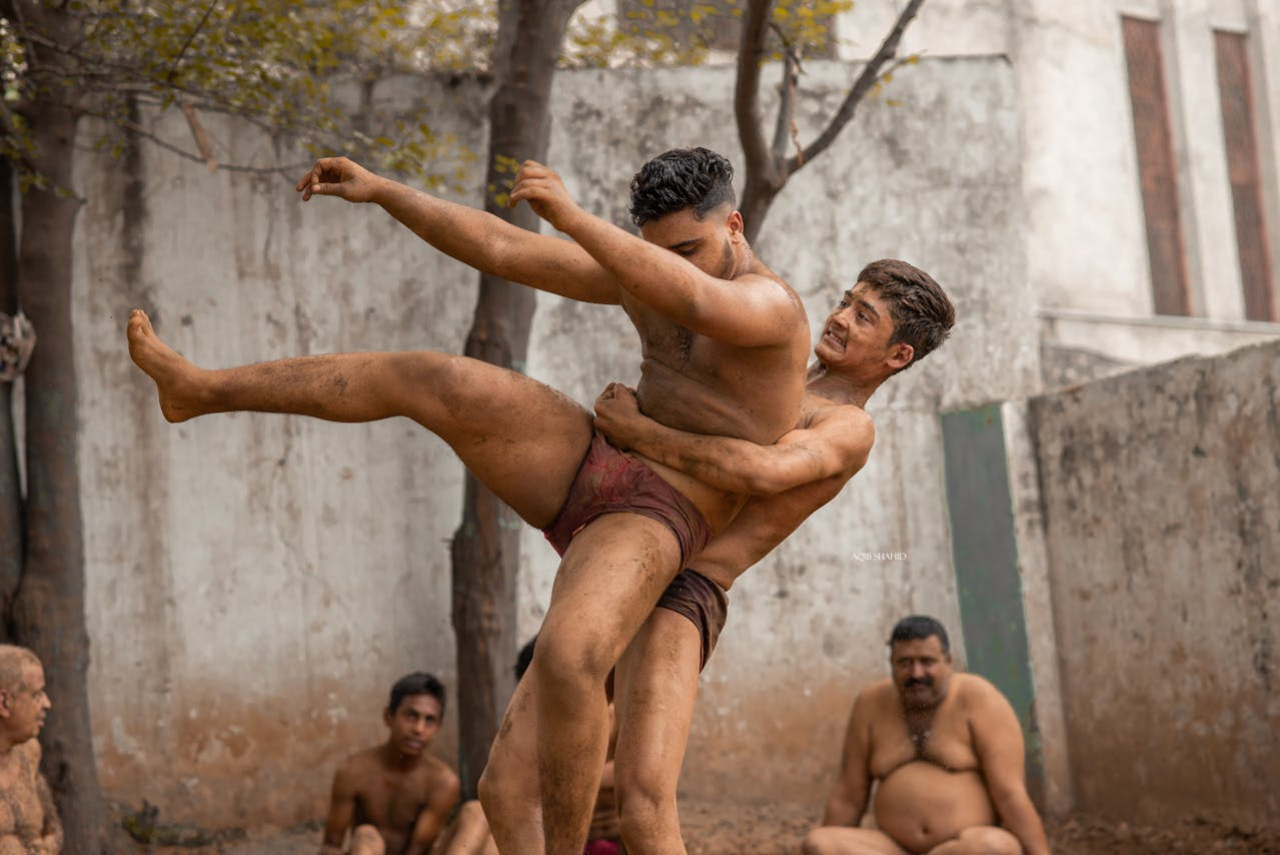
The global popularity of wrestling grew thanks to television, international promotions and charismatic performers who turned wrestling events into cultural phenomena. Modern wrestling promotions operate worldwide and combine athletic performance with dramatic narratives that attract fans from North America to Japan and Europe.
Readers interested in the foundations of the discipline can also explore how professional wrestling works and why it attracts millions of viewers, a topic closely related to the global development of the sport described in this article.
TABLE OF CONTENTS:
Early wrestling contests and carnival era in Europe and North America
Television revolution and the rise of American wrestling promotions
Japanese, Mexican and European wrestling traditions shaping the sport
Globalization of wrestling and the era of stadium spectacles
Modern professional wrestling industry and digital audiences
Key milestones in the development of professional wrestling
FAQ
Early wrestling contests and carnival era in Europe and North America
Organized wrestling contests existed long before the modern sports industry. Wrestling appeared in ancient civilizations including Greece and Rome. In the 19th century the discipline evolved into public competitions across Europe and the United States.
Traveling fairs and carnivals often hosted wrestling matches. Strongmen challenged spectators and professional athletes demonstrated grappling skills. These events introduced the idea of wrestling as entertainment rather than purely competitive sport.
- Carnival wrestling challenges in the United States during the late 1800s
- Catch-as-catch-can wrestling competitions in Europe
- Public grappling contests in music halls and traveling shows
- Early promoters who organized paid wrestling exhibitions
Promoters discovered that audiences responded strongly to dramatic confrontations between larger-than-life personalities. Matches slowly incorporated scripted elements to increase excitement.
Development of catch wrestling and professional matches
Catch-as-catch-can wrestling became particularly influential. The style allowed fighters to use various holds and submission techniques. Wrestlers traveled between cities and competed in long matches that sometimes lasted more than an hour.
Promoters gradually shortened contests and introduced storylines to maintain audience attention. The mixture of athletic technique and theatrical storytelling became the blueprint for modern professional wrestling.
Television revolution and the rise of American wrestling promotions
Television changed wrestling dramatically during the mid-20th century. Broadcast networks began airing weekly wrestling programs in the United States. Local promotions gained large audiences through television syndication.
Several regional organizations dominated the market during the 1950s and 1960s. Promoters cooperated through the National Wrestling Alliance system, which coordinated championship titles across territories.
Important factors that shaped wrestling during this period included
- Regular weekly television shows
- Regional wrestling territories across North America
- Championship titles defended in multiple cities
- Development of recognizable wrestling characters
The expansion of cable television in the 1980s transformed wrestling from a regional attraction into a national television product. Promotions invested heavily in production quality, larger arenas and nationwide broadcasts.
Expansion of global wrestling brands
The transformation accelerated when large promotions began staging pay-per-view events. These shows allowed fans around the world to watch major matches simultaneously. Stadium events soon became a regular part of the wrestling calendar.
Fans who want to explore another side of the sport often enjoy highlights such as the best female wrestling matches, which demonstrate how the discipline expanded across different divisions and generations of performers.
Japanese, Mexican and European wrestling traditions shaping the sport
Professional wrestling did not develop only in North America. Several countries created their own unique wrestling styles and traditions.
Japanese puroresu
Japanese professional wrestling, often called puroresu, emphasizes strong physical competition and realistic combat techniques. Promotions such as New Japan Pro-Wrestling became internationally recognized for high-level athletic matches.
Mexican lucha libre
Lucha libre emerged in Mexico during the 20th century and introduced a spectacular aerial style. Wrestlers perform acrobatic maneuvers and often compete wearing colorful masks.
The popularity of lucha libre influenced wrestling worldwide. Masked characters became iconic figures in global wrestling culture.
European wrestling heritage
European promotions contributed to the evolution of wrestling through television broadcasts and touring shows. British wrestling programs were widely broadcast in the United Kingdom for decades.
The combination of different regional styles helped shape modern wrestling into a truly international form of entertainment.
Globalization of wrestling and the era of stadium spectacles
By the late twentieth century wrestling promotions began organizing events in large stadiums capable of hosting tens of thousands of spectators. International tours brought wrestling shows to Asia, Europe and the Middle East.
Large scale events combined athletic competition with elaborate production elements including stage design, lighting and live music performances. Wrestling shows began to resemble major entertainment spectacles.
Key elements that defined the modern spectacle era include
- Large arena and stadium events
- Global television distribution
- International touring schedules
- Merchandising and digital streaming platforms
Modern fans often watch events through streaming platforms and social media clips. Digital media expanded the global reach of wrestling far beyond traditional television.
Modern professional wrestling industry and digital audiences
The wrestling industry today operates across several continents. Major promotions produce weekly television shows, premium live events and global tours.
Streaming services and online video platforms allow fans to follow wrestling events in real time regardless of geographic location. This digital transformation significantly increased the sport’s global audience.
Key characteristics of modern wrestling entertainment
- Weekly televised programs reaching international audiences
- Major annual events attracting stadium crowds
- Global touring schedules
- Streaming platforms delivering content worldwide
- Integration with social media and digital marketing
Professional wrestling continues to evolve as new promotions emerge and international partnerships expand the reach of the industry.
Key milestones in the development of professional wrestling
| Period | Development | Impact on wrestling |
|---|---|---|
| 19th century | Traveling wrestling exhibitions and carnival contests | Creation of professional wrestling entertainment format |
| Mid 20th century | Television broadcasting of wrestling shows | Expansion of wrestling audiences across national markets |
| 1980s–1990s | Cable television and pay-per-view events | Transformation into global sports entertainment |
| 2000s–today | Streaming platforms and digital distribution | Worldwide accessibility and massive online fan communities |
| Region | Wrestling style | Distinct characteristics |
|---|---|---|
| United States | Sports entertainment wrestling | Large productions, strong storytelling, televised events |
| Japan | Puroresu | Realistic combat style and intense physical matches |
| Mexico | Lucha libre | Masked wrestlers and high-flying acrobatics |
| Europe | Traditional televised wrestling | Technical grappling and television studio competitions |
Large arenas across major cities around the world regularly host wrestling events. In many countries these venues become focal points for major international tours and championship matches.
Wrestling events are often accompanied by extensive video production, athlete introductions and dramatic lighting effects. These elements reinforce the idea that modern wrestling combines sport with large scale entertainment.
Video platforms now play an important role in promoting matches. Short highlight clips circulate quickly online and introduce new audiences to wrestling personalities and storylines.
The industry continues to evolve as promotions expand into new markets and experiment with different media formats.
Key points to remember
- Professional wrestling evolved from traditional grappling contests
- Traveling carnival shows helped popularize wrestling entertainment
- Television broadcasting expanded wrestling audiences in the twentieth century
- International styles such as lucha libre and puroresu shaped the sport
- Modern promotions stage large stadium events and global tours
- Digital platforms allow fans worldwide to follow wrestling events
- The industry combines athletic performance with storytelling
- Professional wrestling remains one of the most recognizable forms of sports entertainment
FAQ
When did professional wrestling become popular worldwide?
Professional wrestling gained global visibility during the television expansion of the mid twentieth century and later through international broadcasts and pay-per-view events.
Is professional wrestling purely sport or entertainment?
Modern professional wrestling combines athletic performance with scripted storytelling, creating a form of sports entertainment.
Which countries influenced professional wrestling the most?
The United States, Japan and Mexico played major roles in shaping modern wrestling styles and global promotions.
Why do wrestling events attract large audiences?
The combination of athletic action, dramatic narratives and large scale live productions creates a unique spectator experience.
How do fans watch wrestling today?
Fans follow wrestling through television broadcasts, streaming platforms, arena events and online video highlights.
Professional wrestling developed from traditional grappling contests into a global sports entertainment industry. Early carnival shows evolved into televised events that reached international audiences. Different regional styles such as American sports entertainment, Japanese puroresu and Mexican lucha libre shaped the modern wrestling landscape. Today wrestling promotions stage major arena spectacles and distribute content worldwide through digital platforms.
Source: International Olympic Committee historical materials, Britannica sports history archives, National Wrestling Alliance historical records, wrestling industry historical publications, sports media industry reports.