


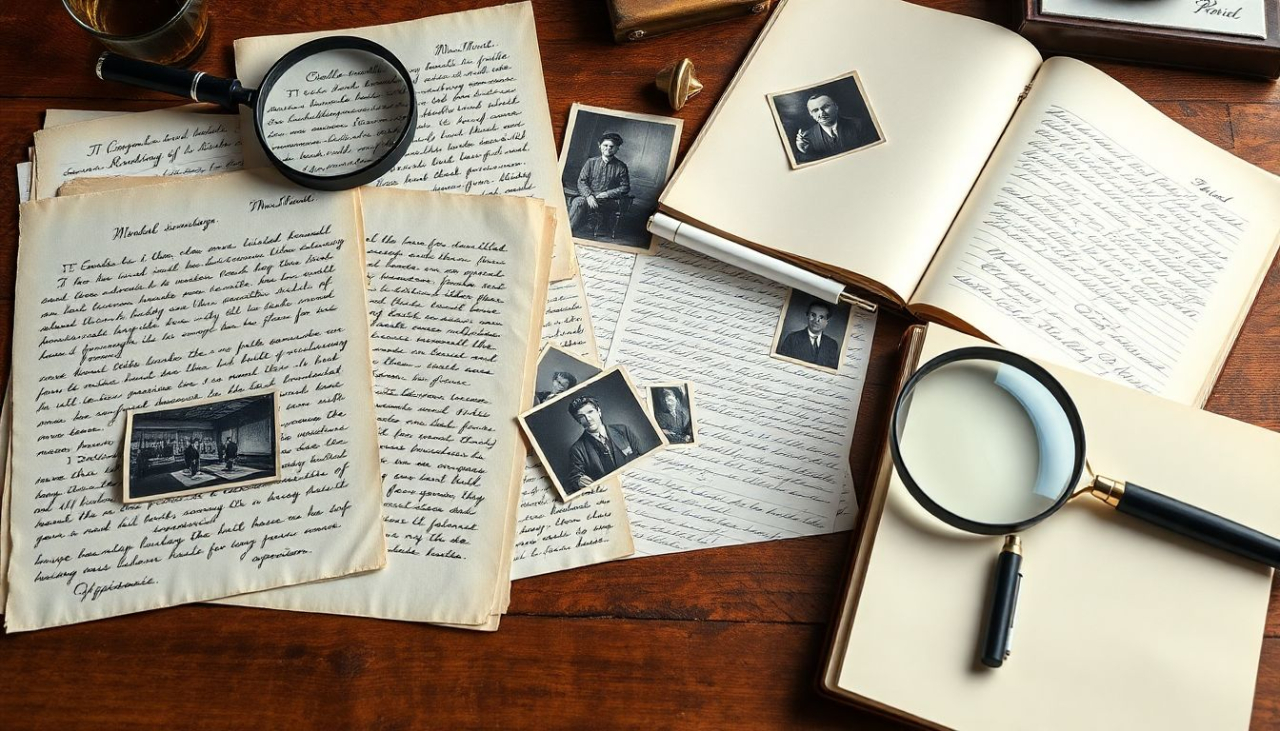
However, with the right approach and resources, uncovering your Eastern European ancestry is entirely possible. This article provides a comprehensive guide to navigating the unique challenges of tracing family history in Eastern Europe, from understanding historical contexts to utilizing key archives and online databases. Whether you're seeking to connect with distant relatives or explore the possibility of polish citizenship through ancestry, this guide will equip you with the tools and knowledge needed to embark on your genealogical journey.
Understanding the Challenges of Eastern European Genealogy
Tracing family history in Eastern Europe presents unique challenges due to the region's tumultuous past. Historical border changes have resulted in records being scattered across different countries, often in multiple languages. For instance, a family that lived in what is now Poland might have records in German, Russian, or even Latin, depending on the time period and ruling power. This linguistic diversity requires researchers to be adaptable and resourceful.
Moreover, many records were lost or destroyed during wars and political upheavals, making it difficult to find complete documentation. However, understanding the historical context can provide clues about where to look for records. For example, knowing the specific regions and their historical affiliations can guide you to the right archives or databases.
Key Archives and Resources in Poland
Poland is a significant starting point for many Eastern European genealogical searches due to its central location and historical significance. The Polish State Archives (Archiwa Państwowe) is a crucial resource, housing a vast collection of civil and church records. These archives are organized by region, so knowing the specific area your ancestors came from is essential.
In addition to physical archives, several online databases can aid your research. Websites like Geneteka and Szukaj w Archiwach offer digitized records and indexes that can be searched by name, location, and date. These platforms are invaluable for those unable to visit Poland in person, providing access to a wealth of information from the comfort of your home.
When using these resources, it's important to be patient and thorough. Records may be incomplete or difficult to read due to age and handwriting styles. However, with persistence, you can piece together your family's history and uncover stories that have been lost to time.
Deciphering Old Civil and Church Records
Old civil and church records are treasure troves of information, often containing details about births, marriages, and deaths. These records can reveal not just family stories but also legal connections to ancestral countries. For example, proving your lineage through these documents can be a step towards obtaining polish citizenship.
Deciphering these records requires a keen eye and sometimes a bit of linguistic skill. Many records are written in cursive or in languages that may not be familiar to you. Utilizing online translation tools or seeking help from local genealogical societies can be beneficial. Additionally, understanding common naming conventions and abbreviations used in these records can aid in interpretation.
It's also helpful to familiarize yourself with the historical context of the time period you're researching. Knowing the social and political climate can provide insights into why certain records were created and how they were maintained. This understanding can guide you in interpreting the information accurately and placing it within the broader narrative of your family's history.
In conclusion, researching your Eastern European family tree is a journey that requires patience, dedication, and a willingness to delve into the complexities of history. By leveraging key archives, utilizing online databases, and honing your skills in deciphering old records, you can uncover the rich tapestry of your ancestry. Whether you're driven by personal curiosity or the desire to establish legal ties to your ancestral homeland, the rewards of this journey are immeasurable.