For new fans on FOX360.NET, the best entry point is not a giant archive. It is a short viewing path. Pick one promotion. Watch one recent major event. Then watch the next weekly episode after it. That order gives context without turning wrestling into homework.
TABLE OF CONTENTS:
Start with one recent WWE or AEW show before searching the archives
Learn the basic rules, titles and match types without overthinking kayfabe
Use Raw, SmackDown, Dynamite and Collision to follow current stories
Understand the wrestling language that fans use every week
Build a simple four-week viewing plan for your first month
Know when live events and pay-per-view shows matter most
Start with one recent WWE or AEW show before searching the archives
The biggest mistake new viewers make is starting with too much history. Professional wrestling has decades of famous matches, legends, title changes and backstage terminology. That archive is useful later. It is not the starting line.
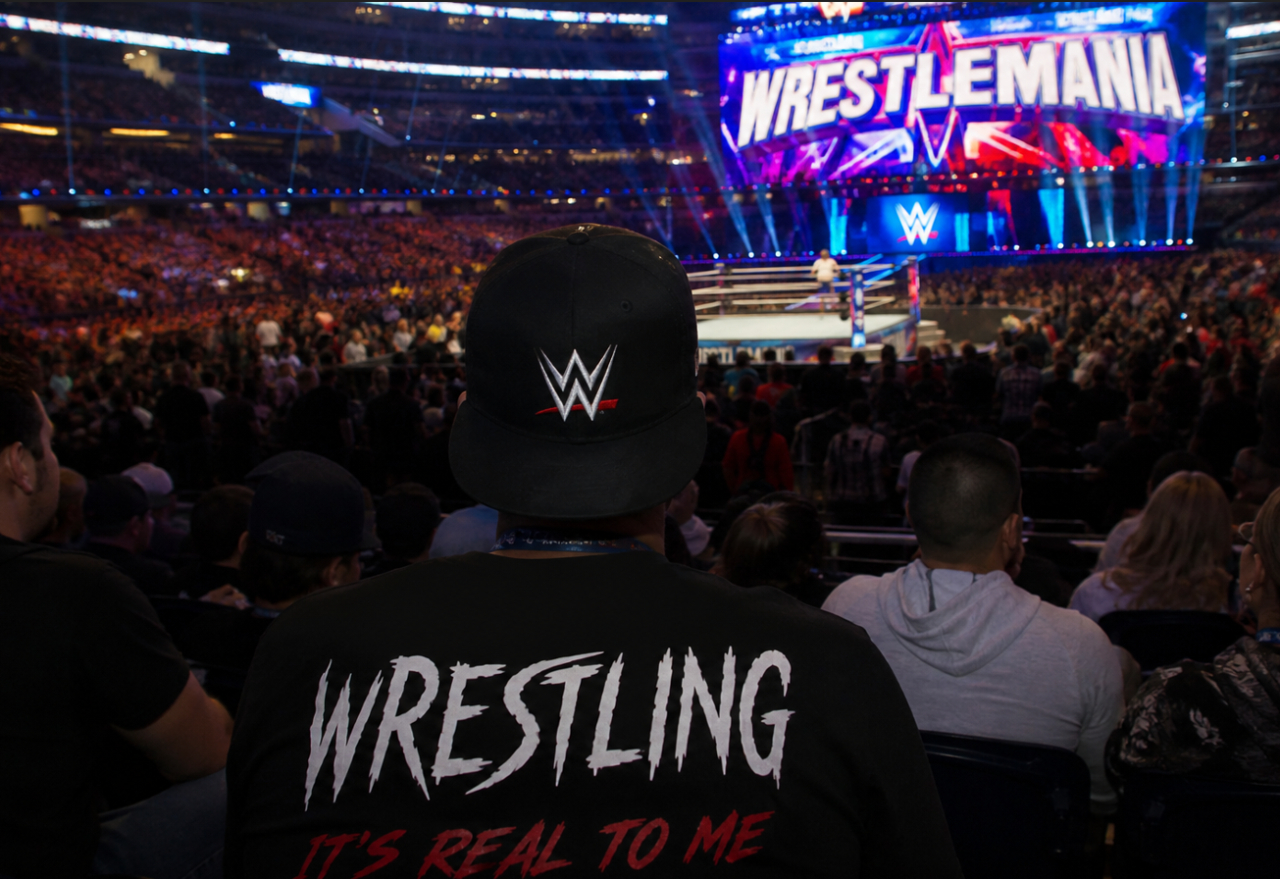
A beginner should start with a recent major event because modern commentary explains current rivalries better than old clips do. WrestleMania remains WWE’s flagship annual event and began in 1985. It is still the largest event on the WWE calendar and is designed for a wide audience, including casual viewers.
AEW gives viewers another route into modern wrestling. Its official schedule is built around weekly television, live events and major shows. The promotion presents Dynamite and Collision as core viewing points, which helps a beginner follow active wrestlers and current stories.
Wrestling is easier when watched in the right order. A major event shows the payoff. The weekly show after it explains the fallout. That is why many fans begin with the latest big show, then continue with the next episode of Raw, SmackDown, Dynamite or Collision.
Readers who want a broader explanation of the genre can also read what professional wrestling is and why wrestling matches attract millions of viewers worldwide. That background makes the first viewing session much easier.
- Choose one promotion first.
- Watch one recent major event.
- Watch the next weekly episode after it.
- Pick two or three wrestlers to follow.
- Ignore deep history until the current story makes sense.
Learn the basic rules, titles and match types without overthinking kayfabe
Professional wrestling is not watched like Olympic wrestling. It is scripted combat entertainment. The athletic risk is real. The results are part of a planned story. That mix is the point.
A standard match usually ends by pinfall, submission, count-out or disqualification. A pinfall happens when one wrestler holds both shoulders of the opponent to the mat while the referee counts to three. A submission happens when a wrestler taps out or gives up in a hold.
Titles give the stories weight. World championships usually sit at the top. Mid-card titles often create weekly rivalries. Tag team titles focus on teams. Women’s championships have become central to modern wrestling programming.
New viewers do not need to memorise every belt immediately, but they should notice which title is being treated as the main prize on the show. The commentary team usually makes that clear.
| Term | Simple meaning | Why it matters for beginners |
|---|---|---|
| Pinfall | A three-count with both shoulders down | The most common finish in many matches |
| Submission | A wrestler gives up in a hold | Shows technical skill and pressure |
| Disqualification | A rule is broken in a standard match | Often extends a rivalry |
| No disqualification | Weapons and outside action are allowed | Usually signals a more intense feud |
Kayfabe is the traditional word for presenting wrestling storylines as real inside the show. A new viewer does not have to argue with it. The better approach is simple. Watch the story as presented, but understand that the programme is staged entertainment with live athletic performance.
Use Raw, SmackDown, Dynamite and Collision to follow current stories
Weekly television is the engine of modern wrestling. WWE’s Raw and SmackDown move stories toward premium live events. AEW’s Dynamite and Collision do the same for its own roster and event calendar.
A beginner should not try to watch everything at once. That creates noise. Start with one weekly show and one major event cycle. After a few weeks, the structure becomes clear.
Raw and SmackDown often present recaps, interviews, backstage segments and matches that set up the next major card. AEW Dynamite and Collision also use a mix of matches, promos and angles. The rhythm is familiar once you have seen two or three episodes.
The weekly episode after a major event is often the best place to continue because it introduces new challengers and explains who is moving into the next rivalry.
- Watch a recent major event first.
- Watch the next weekly episode from the same promotion.
- Note the wrestlers who appear in opening and closing segments.
- Follow one title picture rather than the entire roster.
- Use recaps to fill gaps instead of watching months of old television.
Streaming matters because most new fans watch wrestling on phones, laptops or smart TVs. A practical guide to how to watch wrestling online can help viewers choose a legal and reliable route before they commit to weekly viewing.
Understand the wrestling language that fans use every week
Wrestling fans use a lot of shorthand. Some words describe characters. Others describe crowd reaction or story direction. Knowing a few terms makes social media, commentary and fan discussion far easier to follow.
A babyface is the hero or fan favourite. A heel is the villain. A turn happens when a wrestler changes alignment. A promo is a speech or interview segment. A feud is a rivalry. A stable is a group of wrestlers working together.
None of this needs to be learned like a school exam. The words become natural through repetition. After a few shows, the viewer can usually identify the hero, villain, champion and challenger without needing a glossary.
- Babyface means the wrestler presented as the good side of the conflict.
- Heel means the wrestler presented as the antagonist.
- Promo means a talking segment used to build a match.
- Feud means an ongoing rivalry between wrestlers or groups.
- Stable means a faction working together on screen.
History also matters once the basics are clear. Professional wrestling grew from older wrestling traditions and later became a major entertainment industry through television, touring and pay-per-view. Readers who want that timeline can continue with the history of professional wrestling.
Build a simple four-week viewing plan for your first month
A first month of wrestling should be simple. The goal is not to become an encyclopaedia. The goal is to understand the rhythm of the product.
The best beginner plan is one major event, four weekly episodes and a small list of names to follow. That is enough to understand the promotion’s tone, presentation and main rivalries.
| Week | What to watch | What to notice |
|---|---|---|
| Week one | One recent major event | Main champions, biggest reactions and final match |
| Week two | One weekly episode | New challengers and interview segments |
| Week three | Another weekly episode | Which rivalry gets the most screen time |
| Week four | A classic match or video recap | How past matches influence current presentation |
This plan also stops the viewer from drowning in content. Wrestling is constant. Weekly shows, clips, interviews and live events can fill every evening. A beginner needs a controlled route, not a fire hose.
Classic matches help later. They explain why fans still talk about names such as The Rock, Stone Cold Steve Austin, The Undertaker, John Cena, Roman Reigns, Charlotte Flair, Becky Lynch, Kenny Omega and Bryan Danielson. But the current show should come first.
Know when live events and pay-per-view shows matter most
Major events are the easiest moments for new fans to understand. They are built around decisive matches. The production is bigger. The stakes are clearer. WrestleMania is WWE’s most famous example, while AEW has its own major event schedule across the year.
WrestleMania 41 in Las Vegas was announced by WWE as its most successful event ever, with the company highlighting record business and huge social reach. WrestleMania 42 was scheduled for April 18 and April 19, 2026, at Allegiant Stadium in Las Vegas. That shows how central the event remains to the modern wrestling calendar.
For a new fan, a major event works like a season finale, while weekly television works like the episodes that explain how the finale was built.
Live attendance changes the experience. Crowd noise matters in wrestling. Chants, boos, cheers and surprise returns shape how a match feels. Viewers who later want to attend a major show can read practical advice on how to buy wrestling tickets for major global events.
The biggest shows also create travel demand. WrestleMania, All In, Royal Rumble, SummerSlam and major international cards can attract fans from other regions or countries. That is why event planning, transport and accommodation have become part of wrestling culture.
For viewers interested in scale, FOX360.NET also covers the biggest wrestling events in history. Those events explain why wrestling has moved from regional halls to stadiums, arenas and global streaming platforms.
Choose wrestlers by character, not only by moves
Moves are important, but character is what keeps fans watching. Some wrestlers are technical specialists. Some are powerhouse performers. Some are high-flyers. Some win because they talk better than anyone else in the building.
A beginner should ask three simple questions. Who gets the loudest reaction. Who does the show treat as important. Who makes you want to watch the next segment. That is more useful than trying to judge every hold or strike immediately.
- Follow one champion.
- Follow one rising challenger.
- Follow one wrestler the crowd strongly boos.
- Follow one tag team or faction.
- Watch how the commentary describes each person.
Women’s wrestling is also essential to the modern product. WWE, AEW, TNA, Stardom and other promotions have all presented major women’s matches that shaped fan culture. A useful route into that part of the scene is this FOX360.NET video guide to the best female wrestling of all time.
After a few weeks, the viewer will start to recognise entrances, finishers and crowd chants. That is the moment wrestling becomes easier. The show stops feeling like a random set of fights and starts feeling like an ongoing world.
Use video highlights carefully and avoid spoilers when possible
Highlights are useful, but they can also flatten the story. A three-minute clip may show a finish, but it often misses the crowd tension, the entrance, the commentary and the reason the match mattered.
Use highlights to sample wrestlers. Use full matches for major turning points. Use weekly shows to follow the present. That balance keeps the viewing path clear.
YouTube can help when a viewer wants context. Searching for terms such as WWE beginner guide, AEW Dynamite highlights, WrestleMania classic matches or best wrestling promos can provide a fast route into the style of the product. A new fan can also search for full official clips through promotion channels and rights holders.
Watch beginner-friendly wrestling guides on YouTube
Key points to remember
- Start with one recent major event, not a decade of archive footage.
- Watch the next weekly episode to understand the fallout.
- Learn pinfall, submission, disqualification and basic title structure first.
- Follow a few wrestlers instead of trying to learn every roster member.
- Use highlights for sampling, but full matches for important moments.
- Major events work like season finales.
- Weekly television explains the journey between those big shows.
- Character, crowd reaction and rivalries matter as much as moves.
FAQ
Do I need to know wrestling history before watching WWE or AEW?
No. A new viewer can start with a recent major event and then follow the next weekly episode. History helps later, but it is not required at the beginning.
Is professional wrestling real or scripted?
Professional wrestling is scripted entertainment built around real athletic performance. The outcomes and stories are planned, but the physical work, timing and live risk are part of the performance.
Which wrestling show should a beginner watch first?
A beginner should choose one promotion first. WWE offers Raw, SmackDown and major events such as WrestleMania. AEW offers Dynamite, Collision and its own major event calendar.
What is the best way to understand a wrestling storyline quickly?
Watch the video package before a major match, listen to commentary and follow the weekly episode after the event. Wrestling shows are built to remind viewers why the rivalry matters.
Should I watch classic matches first?
Classic matches are useful after you understand the current product. Start with the present, then use famous older matches to learn why certain wrestlers and events are important.
Professional wrestling is easiest to understand when it is watched as a weekly story built around rivalries, titles and crowd reactions. New viewers should begin with one recent major event, then continue with the next weekly episode from the same promotion. The basics are simple. Learn the match finishes, follow a few wrestlers and let the commentary explain the stakes.
Sources of information: WWE corporate announcements, WWE official event information, All Elite Wrestling official event listings, Encyclopaedia Britannica wrestling and WrestleMania entries, FOX360.NET internal wrestling guides.