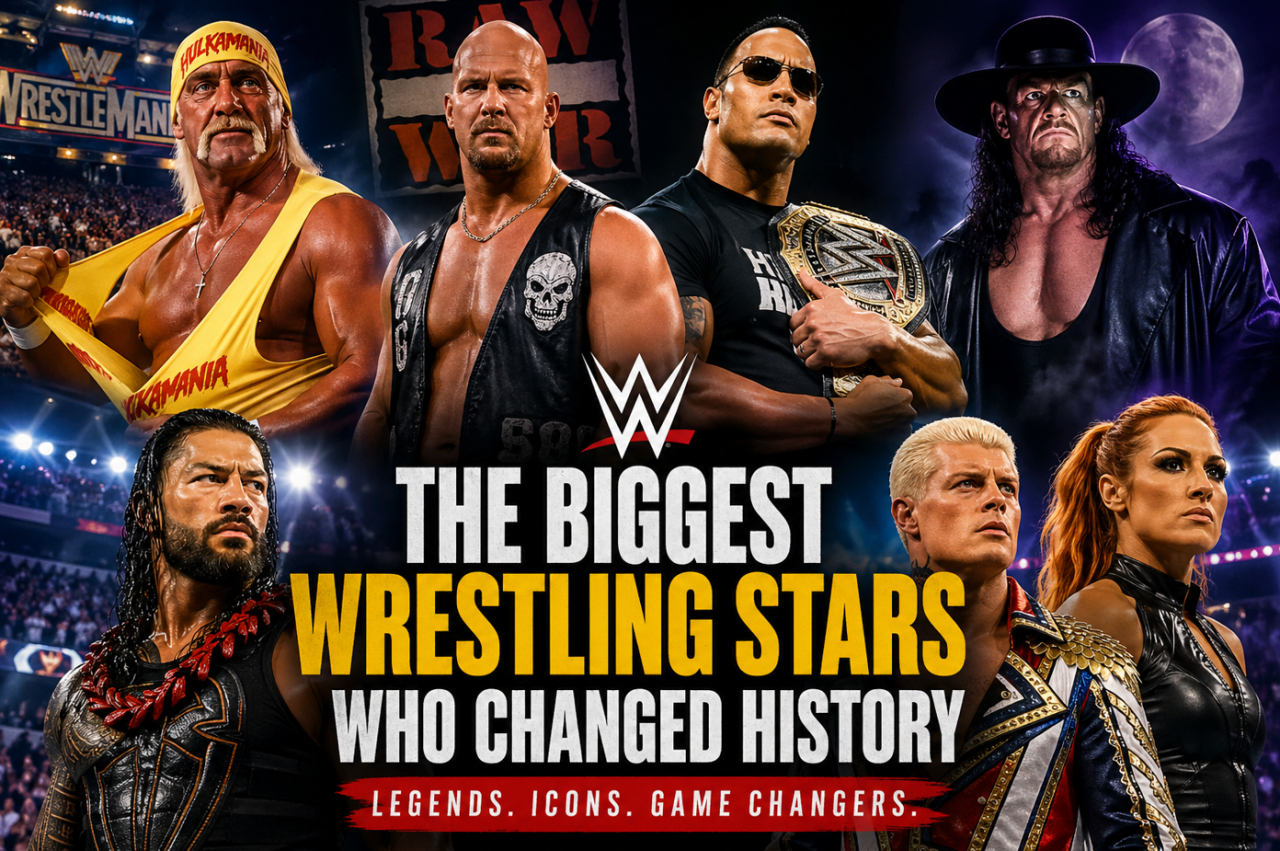
The global appeal of wrestling comes from one powerful formula. Fans can follow rivalries like a drama series, watch spectacular physical performances, attend major arena shows and stay connected between events through clips, interviews and highlights. That mix helps explain why wrestling keeps attracting new audiences across generations and continents. Netflix also became the exclusive home of WWE Raw in the United States, Canada, the United Kingdom and Latin America from January 2025, with additional regions added over time, which expanded access even further. :contentReference[oaicite:1]{index=1}
Anyone looking for a broader explanation of the format can read what professional wrestling is and why it attracts millions of viewers worldwide. The short answer is that wrestling works because it is easy to follow, visually dramatic and built for both television and live crowds.
TABLE OF CONTENTS:
Global reach of WWE, Netflix and modern distribution
Live crowd energy at arenas and major events
Storytelling, characters and clear rivalries
Athleticism, spectacle and visual drama
Social media, highlights and always-on fandom
Women, stars, legends and the breadth of the fan base
Why wrestling travels better than many other sports
FAQ
Global reach of WWE, Netflix and modern distribution
One reason wrestling remains so visible is simple. It is available everywhere. Major promotions distribute content through television, streaming services, social platforms and short-form video. That gives fans many entry points. Some watch full weekly shows. Others follow only premium events, highlight clips or wrestler interviews.
Modern wrestling is built for constant access, and constant access builds habit. WWE states that it reaches 165 countries and more than 20 languages. Its corporate messaging also describes the company as an integrated media organisation rather than only a live events brand.
The shift to large streaming partners matters. Netflix announced in 2024 that it would become the new home of Raw from 2025 in major territories, while WWE later confirmed that its library also moved to Netflix in the United States in January 2026. That means fans can follow both the weekly conversation and older landmark events in one ecosystem.
For viewers who mainly watch online, guides covering how to watch wrestling online and streaming platforms reflect how central digital access has become to the modern fan experience.
| Factor | Why it matters | Evidence |
|---|---|---|
| Global distribution | Fans can follow shows across continents | WWE says 165 countries and 20+ languages |
| Streaming expansion | Weekly shows and archives become easier to access | Netflix partnership and library move |
| Always-on media | Fans stay connected between events | Corporate media model and social footprint |
Live crowd energy at arenas and major events
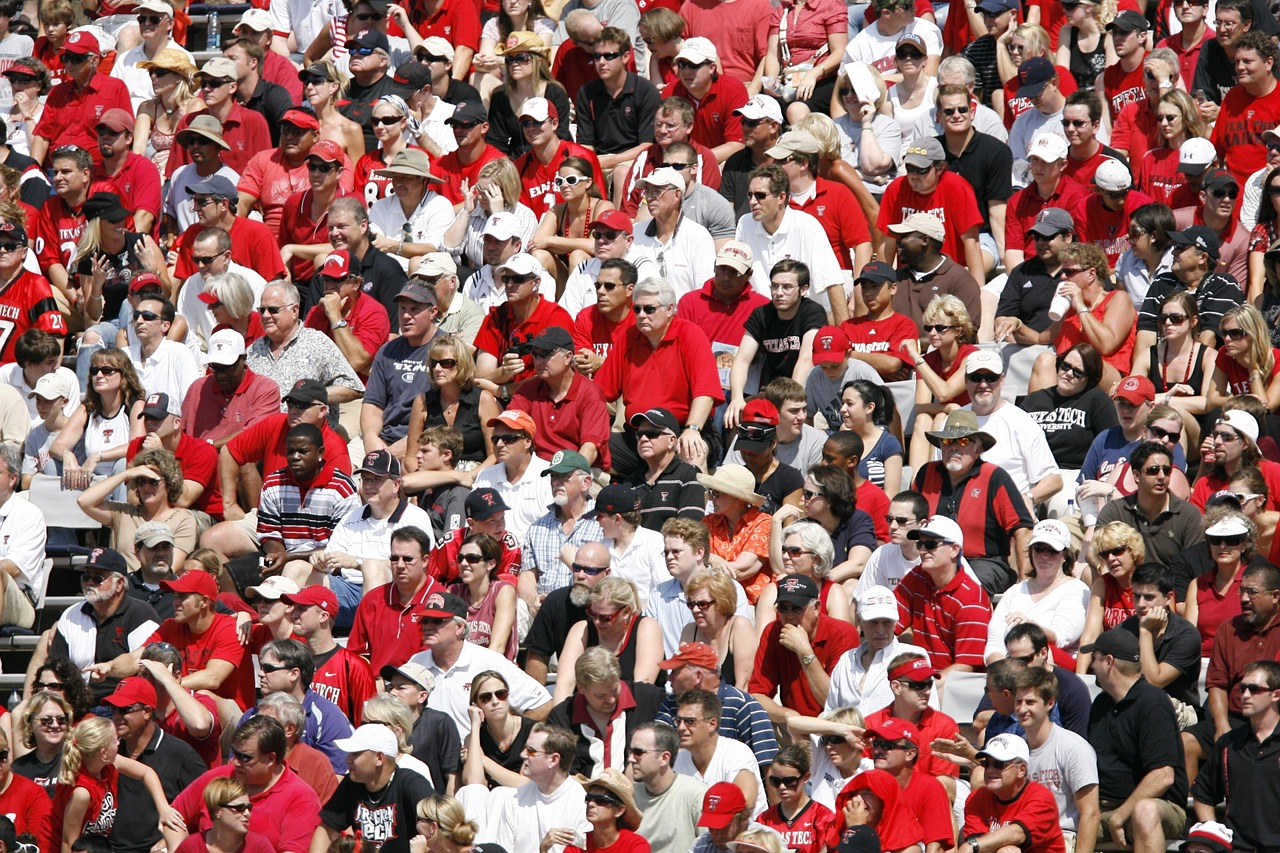
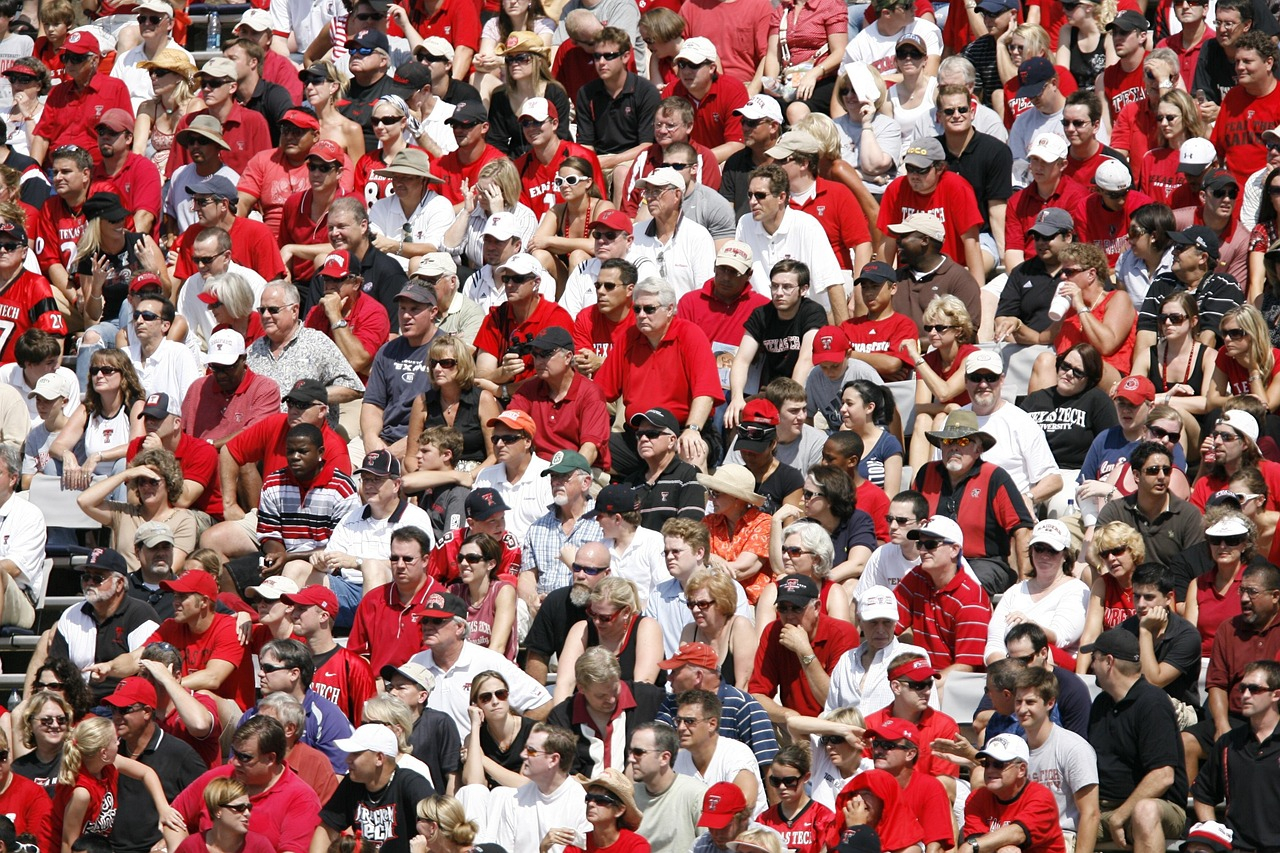
Wrestling feels bigger when watched with a crowd. The audience is not a background detail. It is part of the show. Chants, entrances, surprise returns and title matches gain far more force in front of thousands of people reacting in real time.
Few forms of entertainment blend arena atmosphere and weekly storytelling as effectively as wrestling. A football match may be intense, but wrestling can build emotional payoffs for weeks or months before the crowd sees the final confrontation. That structure turns single events into cultural moments.
The attraction also extends beyond the ring. Fans plan travel, queue for merchandise, attend fan conventions and follow major weekends built around the headline show. That is why many spectators treat big wrestling events as mini-holidays rather than ordinary nights out. Articles such as wrestling road trip planning by car for a live event show how strongly the event experience connects with travel and lifestyle.
- Large arena entrances create instant spectacle
- Fans can join chants and react live to twists
- Major events feel communal rather than solitary
- Travel, merchandise and meet-ups deepen loyalty
Storytelling, characters and clear rivalries
Wrestling is easier to enter than many technical sports because the core drama is obvious. One wrestler wants revenge. Another wants a title. A former ally turns into a rival. A champion fights to stay on top. New viewers do not need to study a rulebook for weeks to understand the conflict.
That clarity is one of wrestling’s greatest strengths. It creates immediate stakes. It also gives casual viewers a reason to return next week. The audience wants to know what happens next, not only who wins tonight.
Professional wrestling has long relied on showmanship and promotion as major engines of growth. Britannica describes wrestling as a highly developed form of entertainment in its professional version, and notes how promoters helped turn it into a lucrative industry.
Strong character work helps every layer of fandom.
- New viewers can understand heroes and villains quickly
- Regular fans follow long rivalries over many months
- Big returns and betrayals create shareable moments
- Championships give the drama a clear objective
Athleticism, spectacle and visual drama
Wrestling does not attract people on story alone. The physical side matters. The best performers combine timing, balance, strength, improvisation and ring awareness under intense pressure. Even viewers who know the format is performance-based still respond to the risk, speed and body control involved.
The appeal grows when athletic difficulty meets visual drama. A power move, dive, counter or near fall communicates instantly on screen. That makes wrestling especially strong in highlight culture, where short clips need to land in seconds.
The format also helps on television. One ring. Clear camera focus. Big reactions. Distinct entrances. Signature moves. Few sports package themselves so neatly for both long-form broadcasts and short clips.
| Element | Fan impact | Why it keeps attention |
|---|---|---|
| Entrances | Build identity fast | Music, lighting and crowd reaction create anticipation |
| Signature moves | Make wrestlers memorable | Short clips become easy to recognise and share |
| Near falls and reversals | Create suspense | Viewers stay engaged until the final seconds |
| Stipulation matches | Raise the stakes | Different formats prevent the product from feeling repetitive |
Social media, highlights and always-on fandom
Wrestling thrives in the age of clips. Every entrance, stare-down, promo and shock return can travel online within minutes. That suits modern viewing habits. Fans no longer need to sit through every full show to stay in the conversation.
Short-form video has made wrestling even more portable. One viral clip can introduce a wrestler to millions who do not normally watch the full programme. WWE said the Raw premiere on Netflix generated 223 million social views across platforms on that day, which shows how strongly wrestling content performs beyond the main broadcast itself.
That spread matters because fandom now works on several levels.
- A casual viewer sees a viral clip
- That viewer recognises a star or storyline
- The next major match becomes easier to follow
- Regular exposure turns curiosity into routine viewing
This constant conversation also helps explain why wrestling feels larger than its weekly ratings alone. The product lives in clips, memes, reaction videos, podcasts and fan debates throughout the week.
Women, stars, legends and the breadth of the fan base
Another reason wrestling attracts a broad audience is range. It offers different styles, generations and star types in one ecosystem. Some fans follow technical wrestlers. Others prefer charismatic talkers, powerhouse champions, veterans or high-flyers.
The variety inside wrestling makes it easier for different audiences to find their own entry point. That includes children, long-time fans, casual viewers and people who mainly follow one division or one star.
The women’s side has also become central to mainstream wrestling coverage. Big women’s matches now headline major cards, lead media campaigns and drive fan interest on their own. Readers exploring that side of the sport can see the best female wrestling of all time for a wider historical view.
Star power remains crucial too. Wrestling creates personalities that travel across formats. Some become actors, podcast hosts, reality TV figures or mainstream media guests. That expands the audience far beyond the ring.
Why wrestling travels better than many other sports
Many sports depend heavily on local leagues, local rules or long-term team allegiance. Wrestling can move more easily across borders because the core emotions are universal. Rivalry, ambition, betrayal, redemption and comeback stories do not need much translation.
Wrestling travels well because the performance is physical and the story is instantly readable. A crowd can understand a dominant champion, an underdog challenger or a shocking betrayal almost immediately, even with limited background knowledge.
Its history also supports this worldwide spread. Professional wrestling grew from earlier combat traditions into modern staged spectacles that merged sport, theatre and promotion. That evolution helps explain why the format now works in arenas, on streaming platforms and in social feeds across very different markets. A useful companion piece is the history of professional wrestling from the first shows to global sports spectacles.
| Country | Wrestling interest source | Notes |
|---|---|---|
| United States | TV ratings, live events | Largest wrestling market |
| India | TV audience and YouTube views | One of WWE’s biggest TV markets |
| United Kingdom | Streaming and event demand | Strong historic wrestling culture |
| Japan | Local promotions and arenas | Major pro wrestling scene |
| Mexico | Lucha libre events | Historic wrestling tradition |
In practical terms, wrestling attracts millions because it gives audiences several things at once.
- A simple story to follow
- A physical performance to admire
- A live event to anticipate
- A weekly habit to return to
- A social conversation to join
- A global brand that remains easy to access
Key points to remember
- Wrestling combines sport, theatre and television
- Streaming has made the product easier to access worldwide
- Clear rivalries help casual viewers understand the action fast
- Live crowds turn major matches into shared events
- Short clips and social media keep fans engaged between shows
- Women’s wrestling and star variety broaden the audience
- Universal storylines help the format travel across countries
- Strong archives and weekly programming build long-term loyalty
FAQ
Why is wrestling so popular around the world?
It mixes athletic performance, storytelling, strong characters, live crowd energy and easy digital access.
Do people watch wrestling only for the matches?
No. Many viewers also follow rivalries, promos, entrances, surprise returns and the wider event atmosphere.
Has streaming helped wrestling grow?
Yes. Large streaming deals and on-demand libraries make weekly shows and historic events easier to reach in many markets.
Why does wrestling perform well on social media?
Its entrances, promos, finishers and twists work well as short clips that are easy to share and discuss.
Is women’s wrestling important to the modern audience?
Yes. Women’s matches now play a major role in headline events, fan engagement and mainstream coverage.
Professional wrestling attracts millions because it is easy to enter and hard to ignore. It offers global access, large personalities, clear drama, memorable visuals and a steady flow of live and digital content. That combination keeps the audience engaged whether they watch weekly, follow only the biggest events or simply join the online conversation when a major moment breaks through.
Professional wrestling reaches a worldwide audience because it combines emotional storytelling, visible athletic skill, arena-scale spectacle and constant online distribution. The format works for both loyal fans and casual viewers. Its biggest strength is flexibility. A person can watch a full weekly show, a premium live event or a single viral clip and still feel part of the same global conversation.
Sources of information: WWE Corporate, WWE investor materials, TKO Group investor reports, Netflix official newsroom, Netflix Tudum, Encyclopaedia Britannica.